The following was released by the Virginia Department of Environmental Quality on Monday and is republished here. Read the original here. For a more-detailed look at how DEQ measures drought, read our interview with Weedon Cloe.
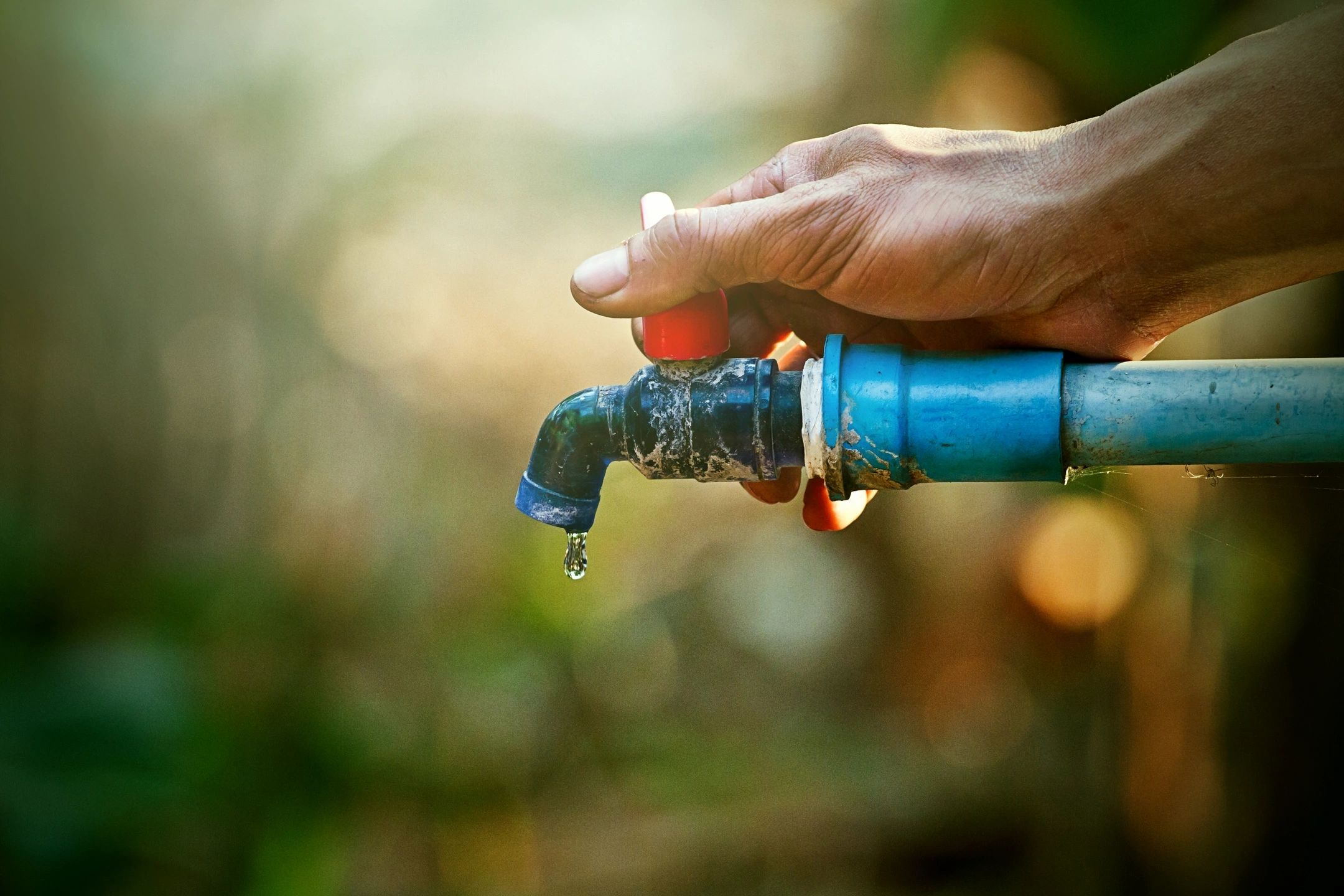
The 2026 hydrologic year, which measures precipitation totals over the 12-month period from Oct. 1 to Sept. 30, was a challenging year marked by a lingering drought. The first nine months of the water year were the second-driest October through June on record, with a statewide precipitation deficit of 8.54 inches. The U.S. Drought Monitor reported nearly half of the Commonwealth under extreme drought conditions in May of this year, the largest land area of the state to receive this designation since 2007.
Although rainfall increased in the summer months, summer heat and increased water demand from growing crops made summer groundwater recharge more difficult. In July, DEQ and the Drought Monitoring Task Force (DMTF) recommended an emergency drought status for the Roanoke region, which remains the driest of the 13 drought evaluation regions. The region only received 64% of its normal precipitation during the water year causing Governor Spanberger to urge commonsense water conservation in the area.
During the 2026 water year, numerous stream gages and groundwater wells set record lows throughout the Commonwealth. This time has proven particularly difficult for Virginia’s farming community, which saw hay production down 35% and as much as 70% in some localities when compared to 2025 hay production. On Sept. 16, the Governor issued an Executive Order declaring a 45-day state of emergency to help address the ongoing shortage. The governor’s executive order provides emergency funding, price gouging protection, and grants over-width transportation waivers to farmers transporting hay.
Despite the historic drought conditions, community water systems were able to continue to provide vital water supplies to Virginians throughout the worst of the drought. Looking forward to next year, the National Weather Service predicts that the strong El Nino weather pattern will bring increased rainfall this fall and winter to Virginia.
To stay informed about the drought in Virginia, visit DEQ’s drought webpage or the interactive Drought Dashboard.
DEQ and the DMTF will continue to monitor the status of Virginia’s streamflows, groundwater, reservoirs, precipitation and more in the new water year. Happy New Year, everyone!