As a boy, I was fascinated by the Army. At the tender age of five, our next-door neighbor, Mamie Felvey, had old Army equipment, including web belts, load-bearing suspenders, canteen covers, and ammunition pouches, belonging to her family. An older lady, she took a fancy to the red-headed scamp next door and gave them to me. I had no idea how to use it or put it together properly, but it fascinated me.
When I was born in 1951, the Korean War was raging, although I was unaware of that. But as I became more aware of this thing called “the Army,” my interest grew. Like many boys, I soon gravitated toward outdoor shenanigans. Growing up in Virginia, however, we preferred playing Yankees and Confederates to Cowboys and Indians. After all, statues of Confederate warriors lined Richmond’s streets. How could we resist, especially since my parents picked “Lee” as my first name?
In time, my awareness would grow. My great-uncle Emmit “Bub” Baker had served in WWI with the 80th Division. Known as the “Blue Ridge Division,” it was composed of men mostly from Pennsylvania, Virginia, and West Virginia. Uncle Bub would regale us with stories, mostly humorous ones, of his service in the “Great War,” when he served as a Sergeant. Omitting the more gory aspects of combat, he shared stories about his time serving on the division’s general staff. War then seemed a “fun” idea to an admiring boy. I would later learn it was not so.
In time, indeed, in the 6th grade, I had it in my mind to attend Fork Union Military Academy. After seeing an ad for it in a magazine, I fancied the idea of wearing a uniform and learned to march and adapt to military regimen. Once there, I had second thoughts, but as I learned and lived in that corps of cadets, I grew more fond of the “Army” life. I recall one of my classmates had a father who was a helicopter pilot who, with some others, flew their UH-1 Hueys to Fork Union and landed on the football field. It was fascinating to many of us, and I remember how complex and big they seemed to a little guy as I stood on one of the aircraft’s skids and peered inside. Yep. I was falling in love.
When high school arrived, and I grew weary of being away from my family, I chose to attend a day military school in Richmond, Benedictine High School. My love for the military grew stronger, and any doubt about my future was dispelled. I would be a soldier one way or the other.
Vietnam was raging in those days, and I was more than aware of the combat occurring then—and, unlike many of my 1960s cohort, I was drawn to it. In 1968, as I was nearing my graduation, I said to my father that I wanted to enlist in the Army and “go to Vietnam.” He gently told me that I was going to a place that began with “V,” but it wasn’t “Vietnam.”
In 1969, he, along with one of Richmond’s most prominent graduates of the Virginia Military Institute, deposited me there on a very humid day in August. It was the best decision I “never” made. There, I learned what duty, honor, and hard work really meant. I also learned the value of friendship and camaraderie with my “Brother Rats,” which lasts to this day. In my final two years at the Institute, my future was assured as my performance as a student and cadet improved dramatically. After being designated as a Distinguished Military Graduate (DMG), I was commissioned as a regular officer in the US Army, a dream come true for a boy who began with a fascination for Army gear.
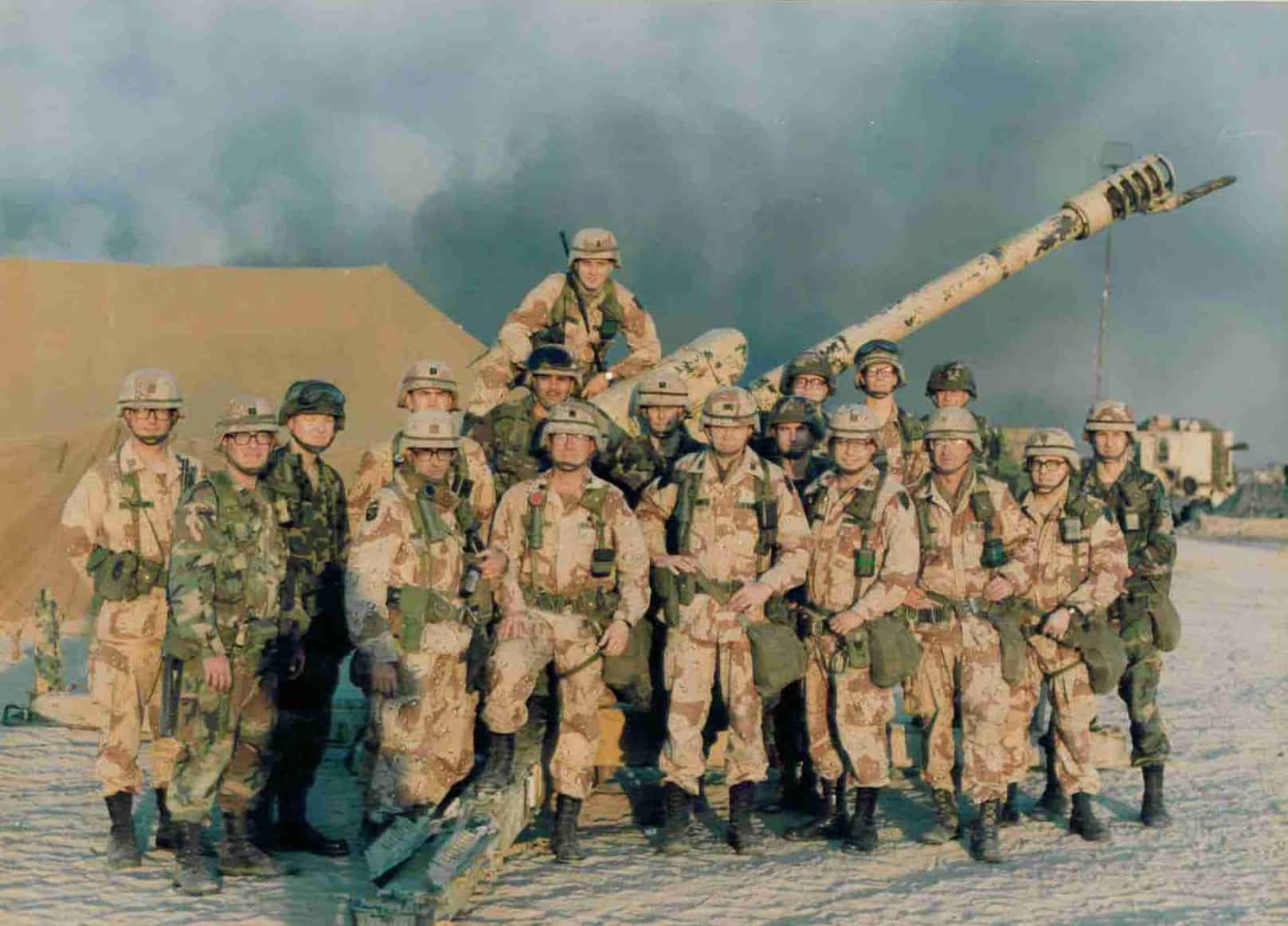
In time, I would learn the complexities of soldiering. It’s not about marching about, or spiffy uniforms, or ribbons arrayed on your chest. It’s more than that. It’s about relationships to one end, combat readiness. I was absorbed in that life and look back longingly to the days when I served with soldiers and leaders who were ready to give, as President Lincoln eloquently said at Gettysburg in 1863, “the last full measure of devotion.” The Army was and remains my identity.
Today, the Army I grew to love is in much turmoil. The nature of war is rapidly changing, and the Army must transform how we fight to meet the challenges ahead. That will require steady hands and a clear vision. That transformation is now the business of others, who I pray will be the kind of warrior-thinkers who will set it on the right path, one that will not only be victorious in battle, but also an inspiration to a young boy somewhere marveling at the possibilities.