
If you stop for a minute to consider the word “conservative,” you can better understand the proclivities of people who embrace it. The dictionary is vanilla about conservatism. “Of, relating to, or favoring a philosophy of conservatism.” Obviously.
If you dig a bit, you strike this: “Of or constituting a political party professing the principles of conservatism.” Closer yet.
A bit deeper yields this: “Tending or inclined to maintain existing views, conditions, or institutions” or “marked by moderation or caution.” But even this misses the true meaning of conservatism. In my mind, it is to conserve what is good, honorable, and useful to mankind.
Conservatives love the founding vision and its products, including the Constitution, the separation of powers, states’ rights, and the Bill of Rights, all pivotal propositions to a Constitutional Republic. In other words, conservatives want to preserve what makes us free. We also want to preserve other things like traditional family values, freedom of religion, and the right to pursue your American dream without some bureaucratic busybody giving you unhelpful man-on-man coverage. Get lost. We can figure it out without some busybody wearing green eyeshades watching over us. Conservatives believe in individual effort, risk-taking, and the right to succeed or fail. Imagine that—people who understand both sides of that coin.
There’s more to conservatism than the political or ideological interpretations. There’s conservation, as in efforts resulting in “a careful preservation and protection of something, especially planned management of a natural resource to prevent exploitation, destruction, or neglect.” That’s distinct from environmental extremism and climate alarmism by those who overstate and exaggerate the danger from the development and the wise use of natural resources, like fossil fuels. Should we weigh carefully the threats we face from irresponsible exploitation of natural resources? Yes. Should we be concerned about clean water and air? Yes. Should we strive to mitigate the harmful effects of pollution? Of course.
In that regard, for many years I have been concerned with what I would call practical conservation. God made our world for our use. And as such, we should take care of it so that it is available to our progeny and us. In other words, our environment is not something we put in a museum behind a glass wall to view, but rather available to us for responsible use. In that context, the radical among us would see the environment as “off limits” to anyone who would use it to improve our lives, especially if it results in personal profit, such as energy manufacturing.
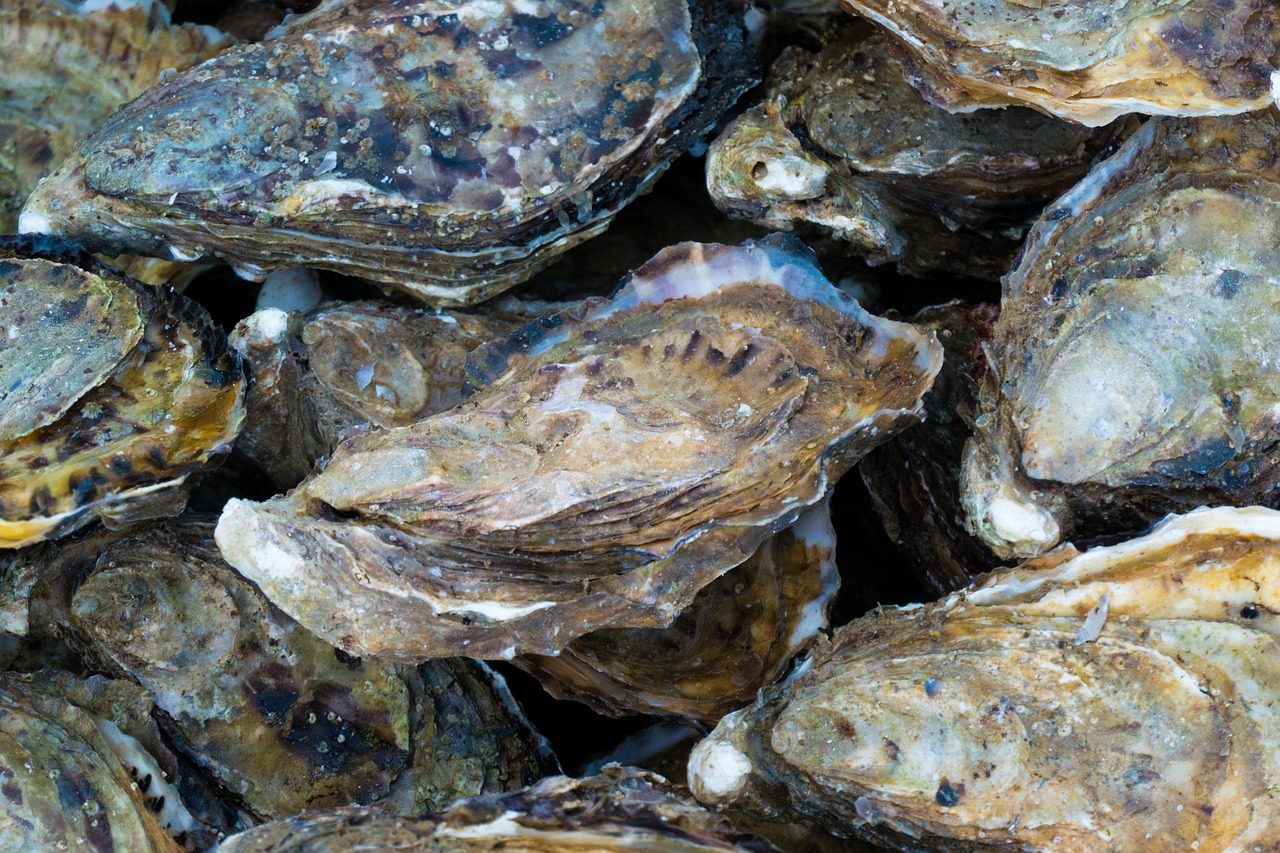
As a way of expressing my personal commitment to conservation, I raise oysters off of our pier on the Potomac River. It’s hard work. I’m not motivated to do that solely because I like to eat them. I do it because I know oysters can filter large amounts of water through their systems, removing nutrients from the river and the Chesapeake Bay. Nitrogen, phosphorus, and sediment from runoff in the Bay’s tributaries harm sea life and other species dependent on the Potomac’s bounty. This very morning, I am reminded of that as I watched pods of dolphins swimming off of our shore, feeding on the abundant fish in the river. These dolphins are consuming healthy fish that are better for the millions of oysters that live in the Bay and its tributaries, including those occupying cages hung off a pier.
So, conservation is best expressed by doing, not by people dispensing empty, politically motivated rhetoric like the Green New Deal, whose true aim is to raise taxes on us to fuel burgeoning government spending. We must move beyond climate alarmism and take a practical approach to conservation.
I have observed that some people fit neatly into what journalist Tom Wolfe coined “radical chic.” These are often upper-class people who engage in the fashionable practice of associating with politically radical people and causes. Some today fall into what I would call the environmentally chic, those who spout concern for the environment, preferring to virtue signal without lifting a finger to do anything practical. You have seen them jetting about the highway with their “Save the Bay” bumper stickers. If you were to encounter these people at a cocktail party and ask them what they know about efforts to stem nitrogen, phosphorus, and sediment from polluting the Bay, you should not be surprised at the wondering stare you get as they balance their wine glass while reaching for another piece of cheese.
Environmental chicness also includes young socialists in college who demand “climate action.” They haven’t a clue how to translate their zealous energy into productive undertakings to improve the environment as they skip a class to head to the next sign-waving protest on their schedule.
They should try oystering. It’s hard work. But that’s the problem for them—hard work.